Guides
Part of Street style: ideas, options and buying details
Affordable street style: good options without premium prices
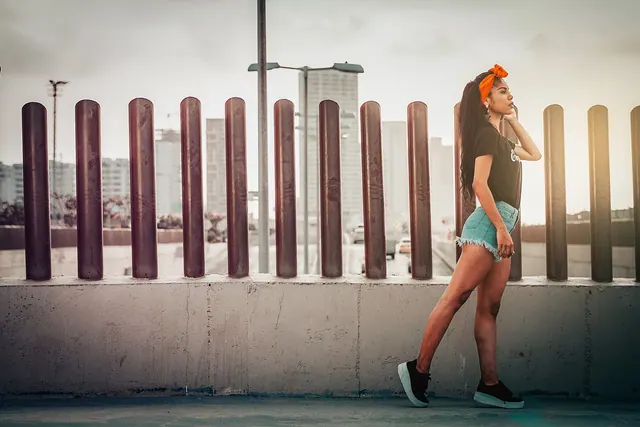
Affordable street style: the picture is the product, daylight sets the requirements, and what the clothes have to survive to work on an ordinary day.
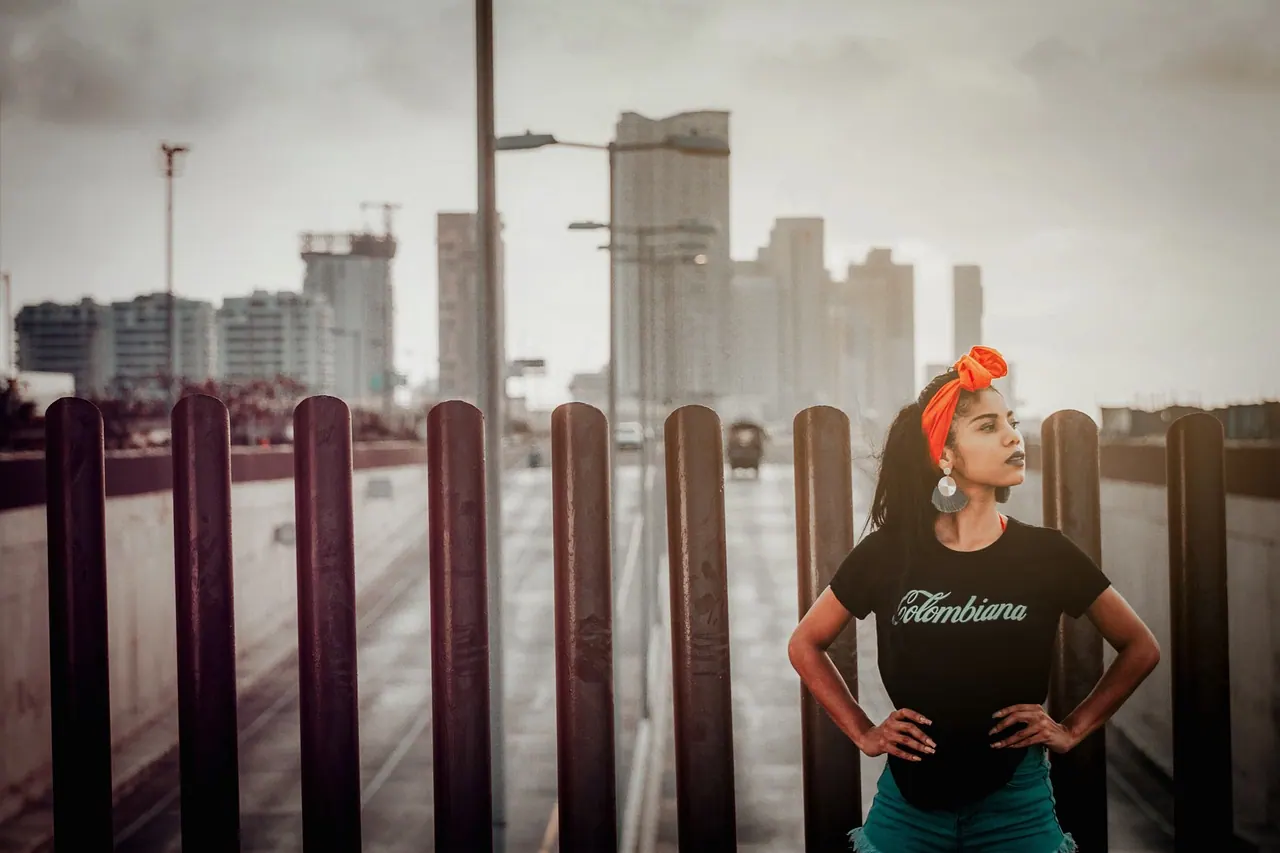
A street style photograph is supposed to look accidental. Most of them are not. They are taken in a known place, at a known hour, by photographers who arrived early because they know who is expected. Once you see the picture as a produced object rather than a lucky catch, dressing for that kind of image gets a lot cheaper.
What to take away
- Street style images are made in daylight, at full length, in motion. That changes what a garment has to do compared with an indoor formal look.
- The expensive part of the effect is almost never the fabric. It is the proportion, the shoe, and the fact that the outfit survives two hours of walking.
- A repeatable set of pieces beats a one-off purchase, because the format rewards a recognizable silhouette rather than novelty.
The picture is the product
Street fashion photography clusters around fixed points: the entrance to a venue, the block outside it, and the twenty minutes before and after a show. That is why the same doorways recur. During the show season the density of photographers on one pavement is higher than at most ticketed events, and everyone involved knows it.
The economics run the other way from a carpet. On a carpet the garment is lent and the photograph is the return. On a pavement the photograph is the product, sold to publications and used by brands afterwards, and the clothes may be borrowed, gifted, paid placements, or simply owned. Nobody is obliged to say which. That is worth remembering before treating any of it as a shopping recommendation, a point covered further under shop the look. Off-duty dressing is also styled far more often than the format admits, which is part of what stylists are hired to do.
Daylight changes the requirements
Indoor event lighting is a bank of flashes at close range. Daylight is not, and the differences are practical.
| Condition | Indoors at an event | Outdoors on a street |
|---|---|---|
| Light source | Flash, hard and frontal, from a fixed line | Sun and open shade, changing through the day |
| Distance | Close, often waist up | Across a street, usually full length |
| Movement | Standing still, posed | Walking, so the garment is caught mid stride |
| Retouching | Expected | Rare, and quick |
| Shoes | Often cropped out | Always in frame |
Two consequences follow. First, the shoe is part of the outfit in a way it is not on a carpet, which is why cheap shoes read as cheap in this format and rarely do in a seated portrait. Second, cloth that hangs well when still has to hang well when moving. Very light synthetics ripple and flutter in a way that looks nervous in a walking shot, while a heavier weave holds its line.
What the clothes have to survive
Nobody sees this part, and it decides more than taste does.
- Distance on foot, usually across pavement and often in the rain or the heat, with no chance to change.
- Standing still for long stretches, then moving suddenly.
- Wind, which decides whether an open coat, a long skirt, or a loose scarf helps or ruins the frame.
- No touch-ups. Makeup, hair and any garment that needs adjusting have to hold for hours.
- Being photographed from below, from across the road, and from behind, none of which you can control.
That list is why practical clothing keeps winning in the format: a coat that stays closed or stays open on purpose, a trouser length that works in motion, a bag carried in one hand rather than clutched.
Building the effect without the price
Concentrate money where the camera looks, and stop spending where it does not.
| Where to spend | Why | Where to save |
|---|---|---|
| Outerwear | It is the largest shape in the frame and it is on in every shot | Anything worn under it |
| Shoes | Always visible, always full length, and the hardest thing to fake | Seasonal novelty pieces |
| Alterations | Hem and sleeve length set the proportion, and both are cheap to change | The label on the garment |
| One strong color | Reads at a distance and in flat light | Complicated prints, which mush at distance |
The single most useful adjustment is length. A sleeve that ends where it should, and a trouser or hem set with the actual shoes on, does more for a photograph than an extra hundred spent on the garment. This is the same logic as the fitting budget described in affordable formal dressing, applied to clothes you actually walk in.
Repeatability matters too. A recognizable outfit built from a few good pieces reads as a point of view; a new purchase every time reads as churn. Looking at how a decade acquires a look makes the point: what survives is a silhouette, not a shopping list.
Test it before you rely on it
- Walk in it for twenty minutes, outdoors, in the shoes. Note what you had to adjust and fix that.
- Have someone photograph you full length from about ten paces, in shade and in direct sun. Flat light hides drape problems; direct sun exposes them.
- Check what happens sitting down and standing back up, since a crease set in a car ride shows in every frame afterwards.
- Look at the picture on a phone at thumbnail size. If the outfit does not read at that scale, the print is too busy or the proportions are wrong.
None of that requires a budget, and it catches more problems than any amount of shopping does. It is also the difference between street style as something you can actually wear and street style as a set of images you look at.
Common questions
Are those photographs really candid?
Some are. Many are arranged, or at least expected, because the location and the timing are known to everyone on both sides of the lens.
Do the people in them pay for the clothes?
It varies, and it is often not disclosed. Pieces may be owned, borrowed, gifted, or part of a paid arrangement. Treat any single image as unreliable evidence about what something costs.
Why do inexpensive outfits sometimes photograph better than expensive ones?
Because the format rewards proportion, color separation from the background, and confident movement. None of those are bought.
What is the one thing to fix first?
Length: sleeves, hems, and trousers, set with the shoes you will wear. It is the cheapest change that alters every photograph you appear in.