Guides
Red Carpet Shoe Hacks: How to Last Four Hours in Heels
Red carpet shoe comfort hacks for standing four hours: pick a lower block heel, target the ball of the foot, skip full inserts until you know your pain point.
What to take away
- Four hours in heels is manageable if you reduce forefoot load before the pain starts.
- Start with a lower, wider heel and a shoe that fits your standing foot, not your seated foot.
- Use thin targeted pads, not full-length cushions, on a red carpet press line.
- Break in the shoe and your feet in the week before, not on the night.
- Rotate between two standing poses and step off the carpet every 45 minutes.
Start with the right last height and shape
A four-hour red carpet is not a walk down the block. You stand in one spot, shift side to side, and lean for photos. Choose a heel height you already know. If you normally wear two inches, do not borrow a four-inch stiletto for the night.
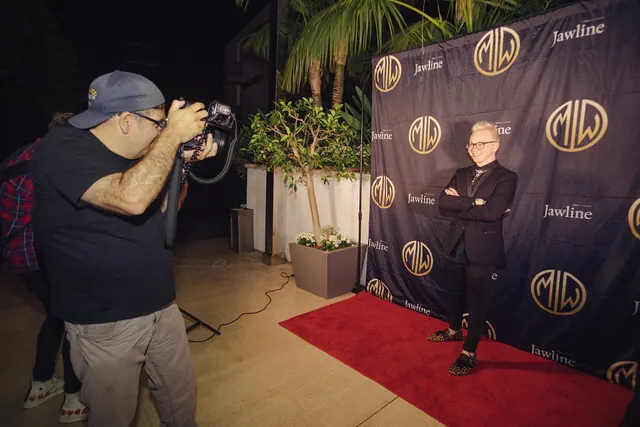
At a New York or Los Angeles premiere, the carpet line often runs longer than the show itself. High heels concentrate force on the ball of the foot, which is why a platform or a block heel gives you more surface area (high-heeled footwear). A standard red carpet press line places you on a hard walkway for photo calls, interviews, and posed shots (red carpet). If the invitation does not state black tie or creative black tie, check the Red Carpet Dress Code before you commit to a shoe.
Insoles and pads that earn their place
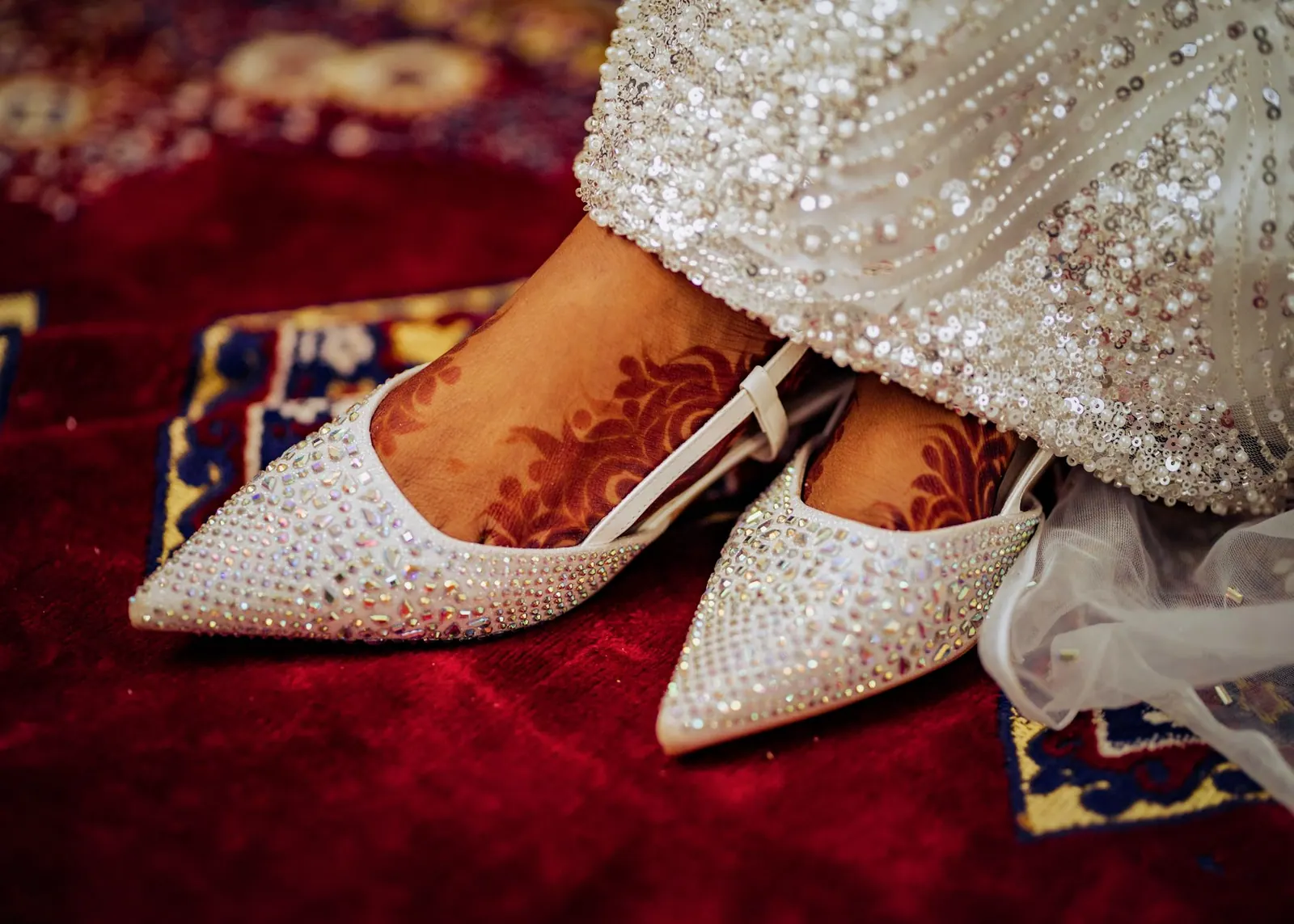
The first rule is to add support where your foot actually hurts. Most red carpet pain starts under the ball of the foot, not the heel. A thin metatarsal pad shifts pressure back from the toes. Dr. Scholl's makes a low-profile metatarsal pad that fits inside most pumps. Foot Petals Killer Kushionz are thin enough for open shoes.
| Insert or pad | Best for | Why it helps on a carpet line |
|---|---|---|
| Metatarsal pad | Ball-of-foot pain | Moves load back from toes |
| Heel grip | Narrow heel slip | Stops friction before blisters |
| Toe spacer | Overlapping toes | Prevents pinched nerves |
| Thin gel strip | Arch fatigue | Adds support without added volume |
Do not stack multiple full-length inserts. Extra volume pushes your foot forward and makes the shoe tighter. Use one targeted pad, test it for 30 minutes at home, then add a second only if a new spot appears.
Blister prevention before you leave the house
Blisters form from friction, moisture, and heat. On a carpet line you generate all three. Start prevention the night before, not in the car.
- Apply a thin layer of BodyGlide or a similar anti-chafe balm to heels, toe joints, and the back of the ankle.
- Place a strip of moleskin, not a fabric bandage, over any spot that has rubbed in the past.
- Put on the shoes with the hosiery or no-show socks you plan to wear, and walk on carpet for 20 minutes.
- If a hotspot starts, remove the shoe and cover the area with a blister bandage before it opens.
- Pack a second pair of low block heels or foldable flats in your bag or car.
Your clutch should carry a small blister kit, as described in the Red Carpet Clutch checklist. A spare pair of flats does not ruin the look if you change after the carpet.
Standing poses that reduce forefoot pressure
The way you stand matters more than the shoe in the last hour. Shift your weight every two or three minutes. Put one foot slightly behind the other and press the back heel down. Cross one ankle behind the other only for a short photo, then return to a wider stance.
When you are not being photographed, step off the carpet line and stand on a rug or grass if it is available. A hard concrete walkway sends more force into the forefoot than a wooden floor. Raise one heel for 20 seconds, then switch. This small movement keeps blood moving.
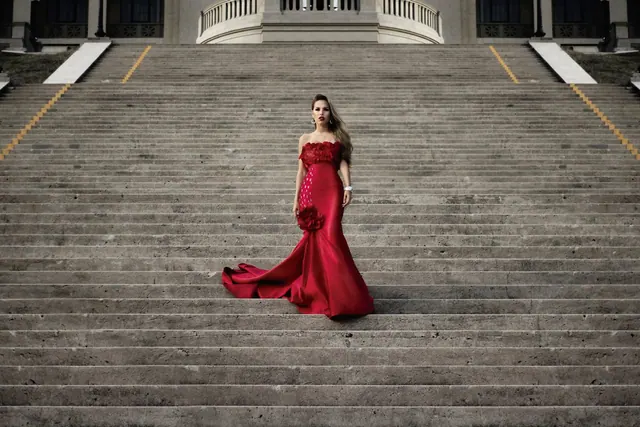
Professional stylists often hide a lower block heel under a full gown, as seen in many award-show looks. If your dress has a train, no one sees the sole.
What to skip until you know your foot
Not worth buying yet: a full-length memory foam insert. It adds volume, pushes your foot forward, and masks whether your pain is from the heel or the ball of the foot. Try a thin metatarsal pad or heel grip first, then decide.
The same fit rule applies to men's dress shoes. A Men's Red Carpet Tuxedo with the wrong last will hurt just as much as a stiletto. If you buy new shoes for a red carpet, wear them indoors for three short sessions before the event.
Avoid gel toe sleeves if you have not tested them with your specific shoe. They can bunch and create a new pressure point.
Common questions
How long before an event should I break in new heels? Wear them indoors for three 20-minute sessions in the week before. If any spot rubs, adjust the pad or choose a different shoe.
Can I wear flats on a red carpet? Yes, if the dress code allows and the evening is long. A low block heel or a formal flat works better than a stiletto after two hours.
Do gel inserts work for standing all night? Thin gel strips can help, but full-length gel inserts often make shoes tighter and increase pressure on the toes.
What if I only own one pair of heels? Bring foldable flats for the after-party and use targeted pads on the areas that hurt most.